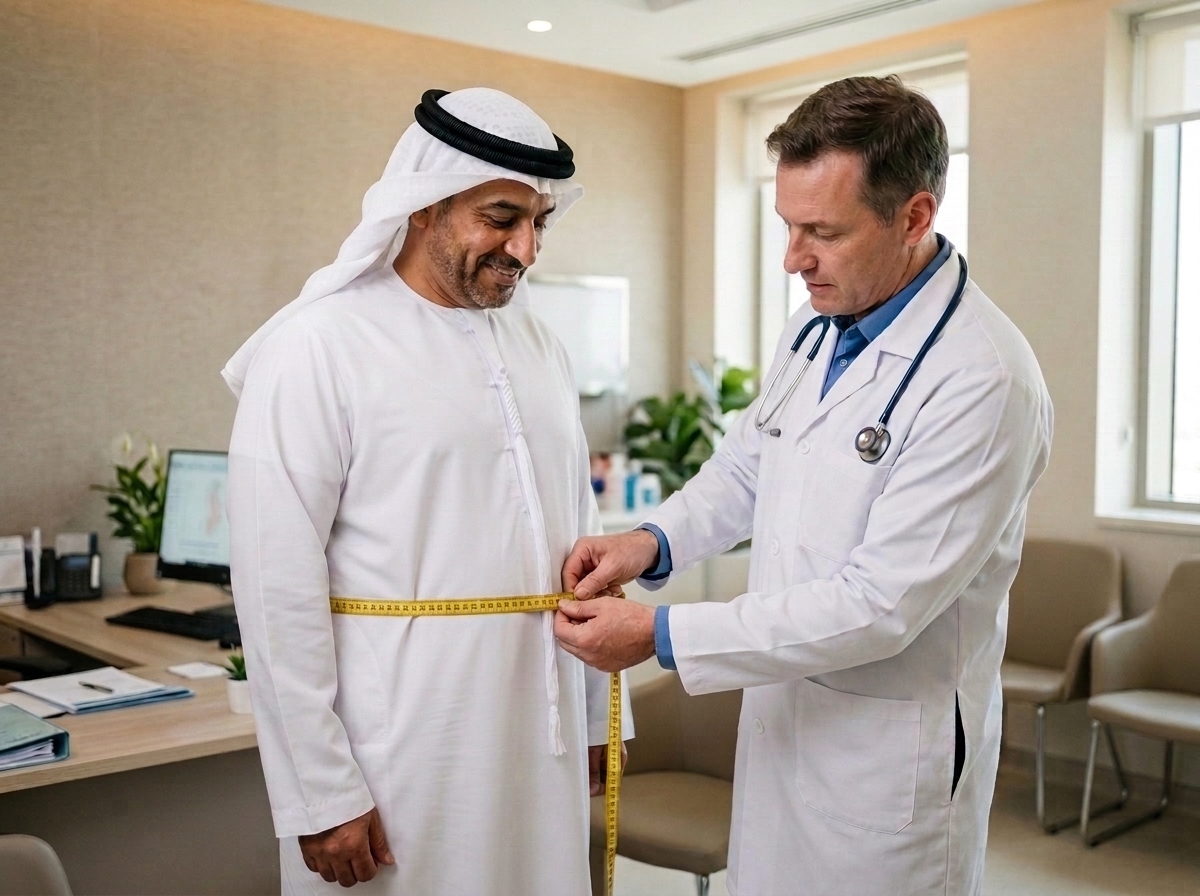
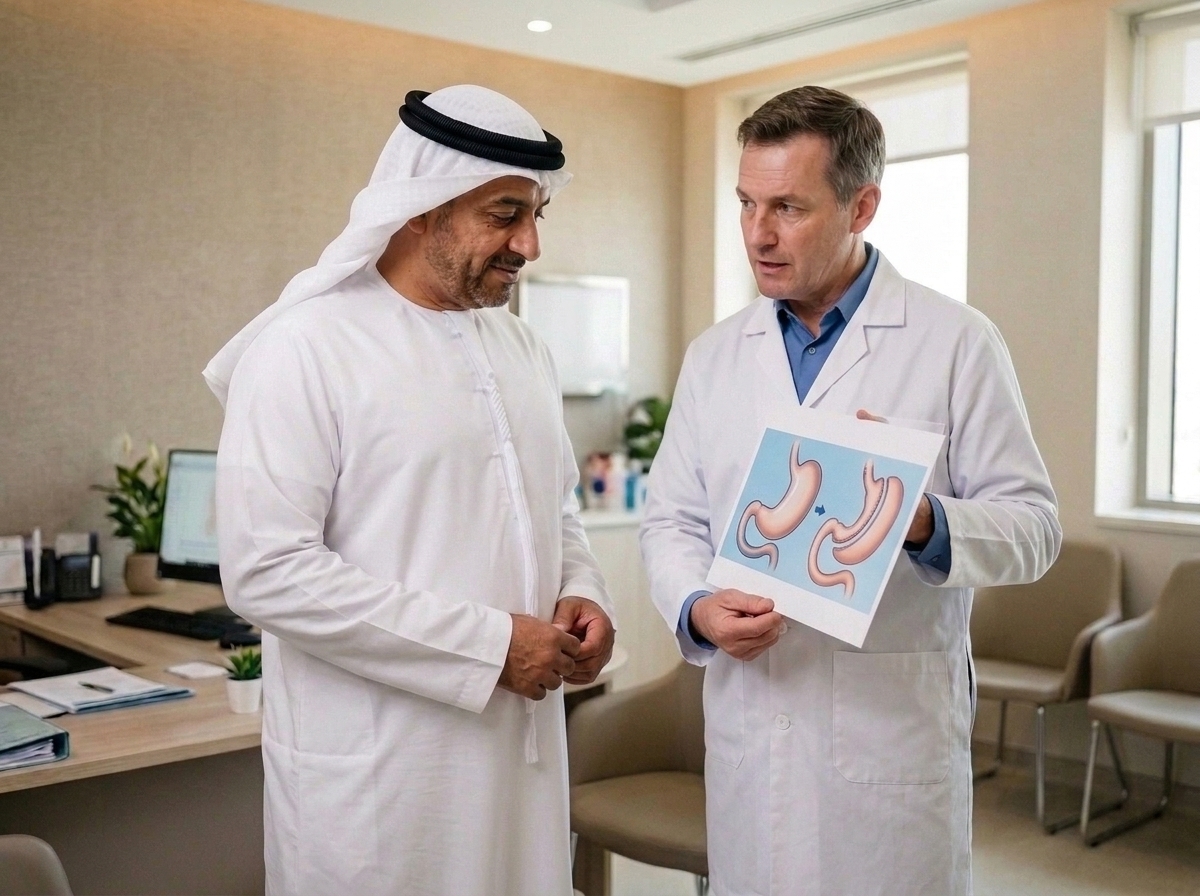
Welcome to HMG's Bariatric Surgery Department

Bariatric Surgery in Dubai

Our advanced bariatric surgery services in Dubai are designed to help individuals achieve long-term weight loss through safe, evidence-based procedures. Obesity is a complex medical condition that can affect nearly every aspect of health, including heart function, metabolism, mobility, sleep quality, and emotional well-being. For individuals struggling with severe obesity and unsuccessful weight-loss attempts through traditional methods, bariatric surgery can offer a life-changing solution.

With a patient-centered approach, our multidisciplinary team provides comprehensive care before, during, and after surgery. From detailed medical evaluations and nutritional counseling to post-operative support and lifestyle guidance, every step of the journey is carefully planned to help patients achieve sustainable, healthy results.

What is Bariatric Surgery?

  • Bariatric surgery refers to a group of specialized surgical procedures designed to support significant and long-term weight reduction by altering the digestive system. Depending on the type of procedure performed, surgery may reduce the size of the stomach, limit food intake, or change how the body absorbs nutrients and calories.

    These procedures are not considered cosmetic treatments. Bariatric surgery is a medically recognized treatment for obesity and obesity-related health conditions. It is recommended for patients whose weight poses serious health risks and who have not achieved lasting success through diet, exercise, or medication alone.

    In addition to promoting substantial weight loss, bariatric surgery can significantly improve overall health and quality of life. Many patients experience improvement or remission of chronic medical conditions such as:

  1. Type 2 diabetes
  2. Hypertension (high blood pressure)
  3. Obstructive sleep apnea
  4. High cholesterol
  5. Cardiovascular disease
  6. Joint and mobility problems
  7. Fatty liver disease
  • Weight-loss surgery can also improve energy levels, physical activity tolerance, emotional well-being, and self-confidence, helping patients lead healthier and more active lives.

Types of Bariatric Surgery

  • Several bariatric procedures are available depending on the patient’s medical condition, weight-loss goals, and overall health status. Common procedures include:

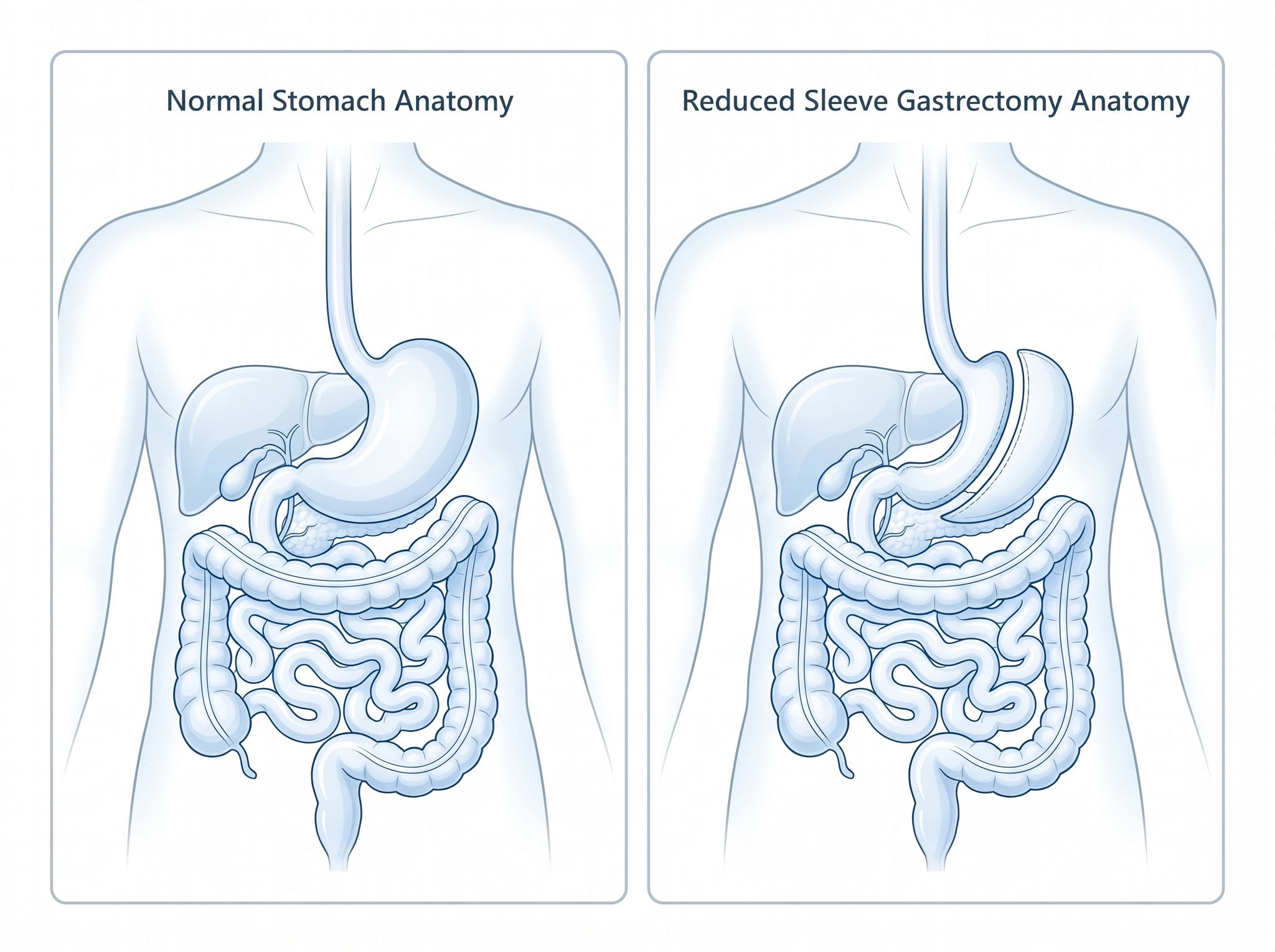
Gastric Sleeve Surgery: Gastric sleeve surgery involves removing a large portion of the stomach to create a smaller, sleeve-shaped stomach pouch. This significantly reduces food intake and helps patients feel full faster. It also affects hormones related to hunger and appetite control.

Gastric Bypass Surgery: Gastric bypass surgery involves creating a small stomach pouch and rerouting part of the small intestine. This procedure reduces calorie absorption while limiting food intake, leading to substantial and sustained weight loss.

Mini Gastric Bypass: This simplified variation of gastric bypass surgery offers similar benefits with a shorter surgical duration. It is often recommended for selected patients based on individual medical assessment.

Revisional Bariatric Surgery: Revisional procedures may be performed for patients who have previously undergone weight-loss surgery but experienced complications, inadequate weight loss, or weight regain.

The most suitable procedure is determined after a comprehensive evaluation by the bariatric surgery team.

Our Expert Team

At Dr. Sulaiman Al Habib Hospital’s Bariatric Surgery Center, we take pride in having a team of board-certified bariatric surgeons who are leaders in the field of weight loss surgery. Our surgeons are not only experts in the latest surgical techniques but also deeply committed to the well-being and success of our patients. They bring years of experience and a patient-focused approach to every procedure.

Who is Eligible for Bariatric Surgery?

Bariatric surgery may be considered for individuals who meet specific medical criteria. You may be eligible if:

  1. Your Body Mass Index (BMI) is 40 or above
  2. Your BMI is 35 or higher with obesity-related medical conditions
  3. You have been unable to achieve sustainable weight loss through diet and exercise
  4. Your weight is significantly affecting your physical health or quality of life
  5. You are committed to long-term lifestyle and dietary changes

Eligibility is determined through a detailed medical assessment that may include blood tests, imaging studies, nutritional evaluation, and consultation with multiple healthcare specialists.

Preparing for Bariatric Surgery

Proper preparation is essential for successful outcomes. Before surgery, patients undergo a complete health evaluation to ensure they are physically and emotionally prepared for the procedure.

Preparation may include:

  1. Nutritional counseling
  2. Weight management guidance
  3. Psychological assessment
  4. Lifestyle modifications
  5. Pre-operative medical investigations
  6. Education about post-surgical recovery and diet stages

Patients are also advised to stop smoking, avoid certain medications if recommended, and follow a supervised pre-surgery diet plan to reduce surgical risks.

Recovery After Bariatric Surgery

Most bariatric procedures are performed using minimally invasive laparoscopic techniques, which generally result in smaller incisions, reduced discomfort, and faster recovery.

Hospital stay duration varies depending on the procedure and patient condition, but many individuals are discharged within a few days. Patients typically return to normal daily activities within 2 to 4 weeks.

Recovery involves gradual dietary progression, starting with liquids before transitioning to soft foods and eventually solid meals. Regular follow-up appointments are important to monitor healing, nutritional intake, and weight-loss progress.

Physical activity is gradually introduced to improve recovery, maintain muscle strength, and support long-term weight management.

Expected Results

Procedures such as gastric sleeve and gastric bypass can deliver significant and sustained weight loss, along with major improvements in overall health and quality of life.

Most patients experience the highest rate of weight loss within the first 12 to 18 months following surgery. Depending on the procedure and adherence to medical guidance, patients often lose 50% to 80% of their excess body weight.

Beyond weight reduction, many obesity-related health conditions show remarkable improvement or even complete remission. Patients commonly experience better blood sugar control, improved blood pressure levels, reduced sleep apnea symptoms, and decreased joint pain.

Many individuals also notice substantial improvements in physical mobility, energy levels, emotional health, and self-esteem. Everyday activities often become easier and more comfortable, leading to a more active lifestyle and improved overall well-being.

However, bariatric surgery should be viewed as a powerful medical tool rather than a standalone cure for obesity. Long-term success depends heavily on maintaining healthy lifestyle habits after surgery.

Patients are encouraged to follow a balanced diet, practice portion control, remain physically active, take recommended nutritional supplements, and attend regular follow-up appointments. Those who remain committed to long-term lifestyle changes generally achieve more stable and lasting results.

With proper medical support and patient commitment, bariatric surgery can lead to life-changing health improvements and long-term weight management success.

Why Choose Us

Continuity of Care

Our commitment is to journey with your family through all phases of life, offering consistent care that evolves with your needs.

Holistic Approach

Beyond physical well-being, we recognize the importance of mental and emotional health. Our approach is holistic, considering every facet of your well-being.

State-of-the-Art Facilities

Our department is equipped with modern medical equipment and technology, ensuring precise diagnostics and effective treatments.

Meet Our Experts

Frequently Asked Questions

Most patients lose approximately 50% to 80% of their excess body weight within 12 to 18 months, depending on the type of procedure and adherence to post-surgical guidelines.
Modern bariatric surgery is generally considered safe when performed by experienced specialists using advanced surgical techniques. Like all surgeries, there are potential risks, which are carefully discussed during consultation.
Patients may experience mild to moderate discomfort after surgery, but pain is usually well controlled with prescribed medications and supportive care.
Recovery time varies between individuals and procedures. Most patients can resume routine activities within 2 to 4 weeks after surgery.
The stomach does not fully return to its original size, but it can gradually stretch over time if dietary recommendations are not followed consistently.
Bariatric surgery provides long-term support for weight loss, but maintaining results requires lifelong commitment to healthy eating habits, physical activity, and regular medical follow-up.
Yes. Patients must follow a structured dietary plan after surgery, progressing from liquids to solid foods gradually. Long-term healthy eating habits are essential for maintaining results and preventing complications.
Many patients with type 2 diabetes experience significant improvement or remission after bariatric surgery due to weight loss and hormonal changes associated with the procedures.

Want an Appointment ?

Please feel free to contact us and we will book your appointment in seconds.

DHCC +971 4429 7777

Opening Hours

Saturday – Thursday
8:00 AM – 9:00 PM
Friday 8:00 AM – 4:00 PM

Book An Appointment

Book An Appointment